Rooted in Grenada: Land Soil & Tradition
Ethnobotanical Foundations of Our Herbs
Grenada, known as the “Isle of Spice,” is defined by volcanic soil, high mineral content, tropical rainfall, and long-standing Afro-Caribbean herbal traditions. Volcanic soils are naturally rich in trace minerals such as iron, magnesium, calcium, and potassium — elements that directly influence plant phytochemical density. Herbs grown or historically used in this environment are traditionally valued not only for symptom relief, but for restoring balance across the body’s systems.
Ethnobotany examines how cultures understand, cultivate, prepare, and apply plants for healing. In Grenadian and broader Caribbean traditions, herbs are not isolated chemicals — they are systems-level tools, used to support digestion, circulation, immunity, nervous system regulation, and spiritual grounding.
Our formulations honor this lineage while aligning with modern phytochemical and nutritional science.

Ethnobotanical Perspective on Herbal Medicine
Ethnobotany teaches us that plants are not products — they are relationships between land, culture, and the human body.
Ethnobotanical Perspective on Herbal Medicine
For thousands of years, plants have been humanity’s first medicine.
Ethnobotany is the study of how cultures understand, cultivate, and use plants for healing, nourishment, and balance. Long before laboratories and pharmaceuticals, communities around the world developed sophisticated systems of plant-based medicine through observation, experience, and intergenerational knowledge.
In Caribbean, African, Indigenous, and tropical traditions, herbs were never isolated ingredients — they were part of a living system that included land, soil, climate, preparation methods, and the individual taking them. The same plant could be used differently depending on how it was harvested, prepared, or combined.
This is why traditional herbal medicine focuses on:
-
Whole plants, not extracted fragments
-
Proper preparation (tea, decoction, infusion, tonic)
-
Context — the body, the environment, and the intention
Modern science now confirms what these traditions understood intuitively: plants contain complex networks of bioactive compounds that work together synergistically. When herbs are stripped down, overly processed, or poorly sourced, much of that intelligence is lost.
Ethnobotanical herbalism respects this complexity.
It recognizes that healing is not about forcing the body to change, but about supporting the body’s natural ability to restore balance when given the right conditions and materials.
How We Apply This Approach
Our education and products are informed by:
-
Traditional Caribbean and Afro-Indigenous herbal practices
-
Ethnobotanical research and historical use
-
Modern nutritional and botanical science
-
Real-world application, not trends
We prioritize:
-
Plants grown in environments where they naturally thrive
-
Harvesting and drying methods that preserve potency
-
Whole-herb preparations that maintain synergy
-
Clear education so you understand why and how herbs are used
This approach allows us to honor tradition while meeting modern expectations for quality, consistency, and safety.
What Herbal Medicine Is — and Is Not
Herbal medicine is:
-
Supportive, not suppressive
-
Preventative, not reactive
-
A practice of consistency, not quick fixes
It is not:
-
A replacement for emergency medical care
-
A one-size-fits-all solution
-
A substitute for professional medical advice
Herbs work best when used intentionally, respectfully, and consistently — as part of a broader wellness lifestyle.
Who This Education Is For
This space is for:
-
People seeking deeper understanding, not shortcuts
-
Caregivers choosing herbs for loved ones
-
Those reconnecting with ancestral or traditional practices
-
Anyone who wants to make informed, responsible wellness choices
Our goal is not to overwhelm you, but to empower you with clarity.
Guinea Hen Weed
Scientific Name:
(Petiveria alliacea)
Traditional Use: Known locally as Anamu, Guinea Hen Weed has been used across the Caribbean, Central America, and West Africa for immune defense, cleansing rituals, and systemic resilience.
Ethnobotanical Context: Traditionally prepared as teas or decoctions during times of illness, environmental stress, or energetic imbalance. Often used in cleansing protocols.
Scientific Insights: Contains sulfur-containing compounds (dibenzyl trisulfide), flavonoids, and polyphenols studied for immune modulation, antimicrobial activity, and inflammatory response regulation.
Holistic Benefits:
-
Immune system support
-
Cleansing and detox pathways
-
Nervous system grounding
Who Should Not Take:
-
Pregnant or breastfeeding individuals
-
Those on blood-thinning medication
-
Individuals preparing for surgery

St. Johns Bush
Scientific Name:
(Justicia secunda)
Traditional Use: Commonly used as a blood tonic in Grenada and Jamaica.
Ethnobotanical Context: Consumed as a strengthening tea for vitality, circulation, and menstrual balance.
Scientific Insights: Rich in iron, flavonoids, and antioxidants that support red blood cell production and circulatory health.
Holistic Benefits:
-
Supports blood health
-
Energy and vitality
-
Menstrual balance
Who Should Not Take:
-
Individuals with iron overload conditions
-
Those on iron supplementation without guidance
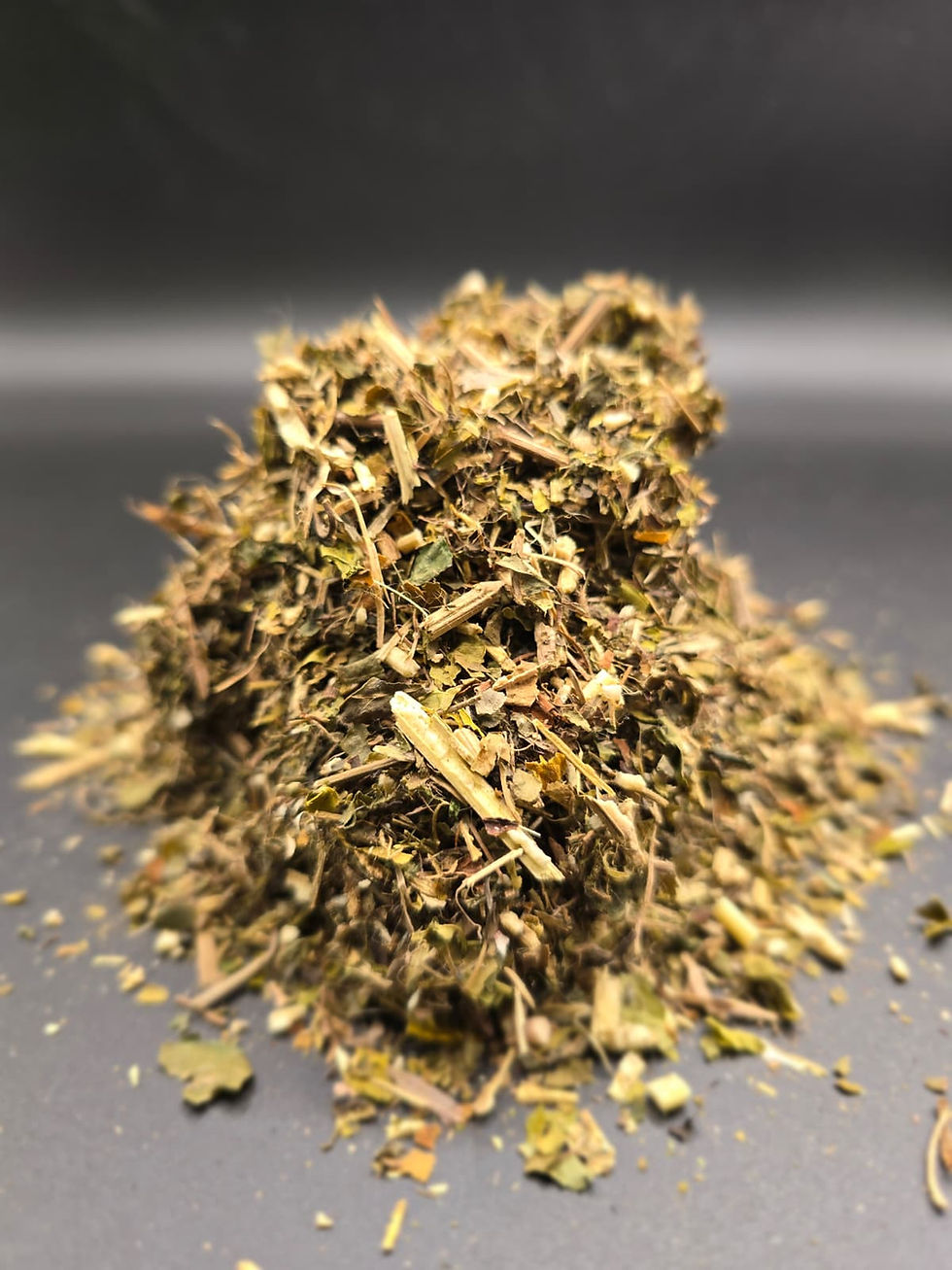
Boise Bande Root/Bark
Scientific Name:
(Richeria grandis)
raditional Use: A revered Caribbean root bark used traditionally for stamina and masculine vitality.
Ethnobotanical Context: Prepared slowly as decoctions; respected for potency.
Scientific Insights: Contains alkaloids and plant sterols associated with circulation and nervous system stimulation.
Holistic Benefits:
-
Circulatory support
-
Physical stamina
-
Nervous system activation
Who Should Not Take:
-
Individuals with cardiovascular conditions
-
Those sensitive to stimulants

Mango Leaves
Scientific Name:
(Mangifera indica)
Traditional Use: Used for metabolic balance and blood sugar regulation.
Ethnobotanical Context: Leaves brewed as daily wellness teas.
Scientific Insights: Contains mangiferin, a polyphenol studied for antioxidant and glucose metabolism support.
Holistic Benefits:
-
Blood sugar balance
-
Digestive support
-
Anti-inflammatory activity
Who Should Not Take:
-
Those on blood sugar medication should monitor levels

Seamoss
Scientific Name:
(Chondrus crispus / Gracilaria spp.)
Ethnobotanical & Cultural Context
Sea moss has been used for centuries along the Caribbean and Atlantic coasts as a foundational nourishment rather than a targeted remedy. In Grenada and neighboring islands, sea moss was traditionally harvested by hand from clean coastal waters, sun-dried, and prepared as tonics, porridges, or blended drinks for strength, recovery, and resilience. It was commonly given to elders, growing children, postpartum women, and those recovering from illness.
In traditional practice, sea moss was valued for its ability to restore what the body had lost, particularly minerals depleted through labor, heat, stress, or poor nutrition.
Modern science now confirms what traditional cultures observed: sea moss is not a stimulant or drug-like herb — it is a nutrient matrix.
All Varieties
Seamoss Scientific & Nutritional Profile
Sea moss is classified as a marine algae rich in:
-
Iodine (thyroid hormone production)
-
Magnesium (muscle, nerve, and stress regulation)
-
Potassium (electrolyte balance)
-
Calcium (bone and cellular signaling)
-
Zinc, iron, selenium (immune and metabolic support)
-
Sulfated polysaccharides (carrageenans) studied for gut lining support and cellular hydration
Rather than acting on one system, sea moss supports system-wide balance, which is why it is traditionally consumed daily in small, consistent amounts.
Who Should Use Caution With Sea Moss
-
Individuals with thyroid disorders should consult a healthcare professional
-
Those with iodine sensitivity
-
Individuals on thyroid medication
-
Pregnant or breastfeeding individuals should seek professional guidance
Gold Sea Moss
Scientific Name:
(Chondrus crispus / Gracilaria spp.)
Source Characteristics: Gold Sea Moss typically grows in cooler Atlantic waters and develops a lighter color when sun-dried. Its structure is firm and fibrous, indicating higher mineral density. Unlike commercially harvested sea moss sourced from open-access waters, our sea moss is collected from a privately stewarded section of ocean where harvesting is intentional, limited, and timed according to natural growth cycles. This approach protects the marine ecosystem while allowing the algae to reach full mineral maturity—resulting in a cleaner structure, stronger cell walls, and higher nutritional integrity.
Traditional Use: Used as a daily tonic for strength, respiratory support, and overall nourishment.
Scientific Focus:
-
High iodine content supporting thyroid function
-
Rich in potassium and magnesium for energy metabolism
-
Supports mucus membrane hydration
Holistic Benefits:
-
Mineral replenishment
-
Thyroid and metabolic support
-
Energy and stamina
-
Skin and hair nourishment
Best For:
-
Individuals experiencing fatigue
-
Those seeking daily mineral support
-
Active lifestyles and recovery

Purple Seamoss
Scientific Name:
(Gracilaria spp.)
Source Characteristics: Purple Sea Moss contains naturally occurring anthocyanins — antioxidant pigments responsible for its deep color. These compounds are produced as protective mechanisms against environmental stressors.
Traditional Use: Often reserved for deeper restoration and recovery, especially after illness or prolonged stress.
Scientific Focus:
-
Antioxidant activity
-
Cellular protection
-
Anti-inflammatory pathways
Holistic Benefits:
-
Cellular defense against oxidative stress
-
Immune system support
-
Recovery and repair
-
Anti-aging support
Best For:
-
High-stress lifestyles
-
Recovery phases
-
Individuals prioritizing immune resilience

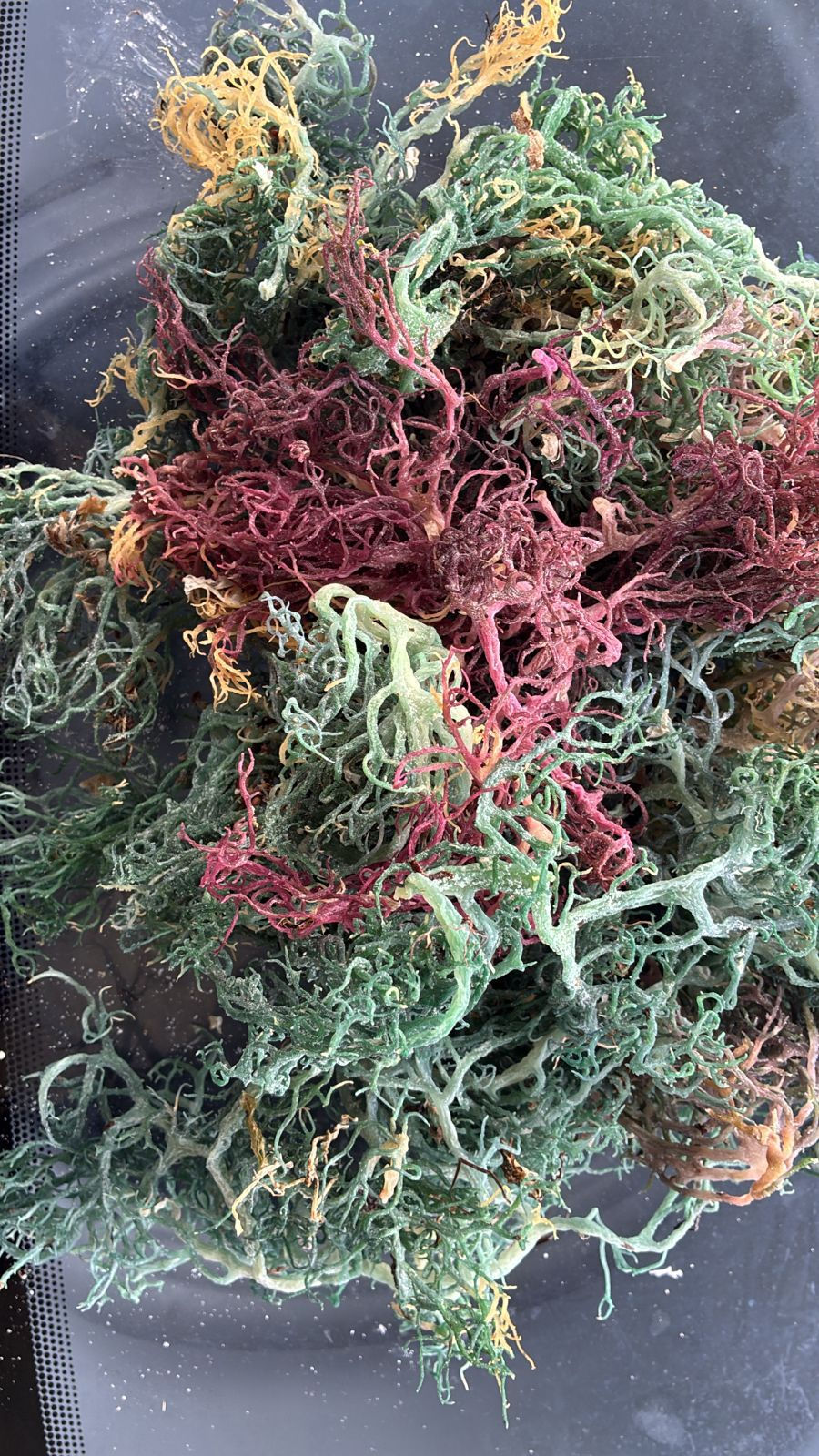
Full Spectrum Seamoss
Source Characteristics: A combination of gold and purple varieties designed to preserve the full range of minerals and antioxidant compounds.
Traditional Logic: Traditional herbal systems favor whole-spectrum nourishment rather than isolated compounds. Full Spectrum Sea Moss follows this principle.
Scientific Focus:
-
Broad mineral diversity
-
Combined antioxidant and metabolic support
Holistic Benefits:
-
Comprehensive mineral intake
-
Balanced thyroid, immune, and nervous system support
-
Daily foundational wellness
Best For:
-
Long-term daily use
-
Individuals seeking balance rather than targeted support
-
Preventative wellness routines
Dr. Tyreal Lewis -
Ethnobotany Practitioner
These herbs are not trends. They are time-tested botanical allies, shaped by land, culture, and careful preparation. Our role is preservation — maintaining integrity from soil to cup, while translating ancestral wisdom into modern wellness understanding.
Educational Content Disclaimer
The educational content provided on this page reflects ethnobotanical traditions, cultural practices, historical use, and scientific research related to herbs and marine plants. This information is presented for learning purposes only and should not be interpreted as medical guidance.
Traditional use does not guarantee therapeutic outcomes. Scientific research on herbs and sea moss is ongoing, and interpretations may evolve as new data emerges.
This content is not a substitute for professional medical advice. Readers are encouraged to consult licensed healthcare practitioners before incorporating herbs or sea moss into their wellness routines, particularly if managing health conditions or taking medications.
Sourcing & Stewardship Disclaimer
References to sourcing, stewardship, or controlled marine environments describe our commitment to responsible harvesting and quality oversight. These statements relate to environmental practices and product integrity, not medical or therapeutic claims.